































Skip to main content Skip to main navigation menu Skip to site footer
Research in Psychotherapy: Psychopathology, Process and Outcome

Editor-in-Chief: Mariagrazia Di Giuseppe | Scientific Director: Vittorio Lingiardi | eISSN 2239-8031 - pISSN 2499-7552

  • About the Journal
  • Editorial Board
  • Publication Ethics
  • Current issue
  • Archives
  • Online Advance
  • Special Issues
    • Overview
    • Forthcoming Special Issues
  • Copyright
  • Register
  • Login
  • Search
  • Contacts
  • News
3.5
Impact Factor 2025
5.7
CiteScore 2025
3.5
Impact Factor 2025
5.7
CiteScore 2025
Submit
an article
  1. Home /
  2. Search

Search

Advanced filters
Published After
Published Before

Search Results

##search.searchResults.foundPlural##
  • Change during psychotherapy: the perspective of children and adolescents who have been sexually abused

    Claudia Capella, Carolina Gutiérrez, Loreto Rodrìguez, Camila Gòmez
    2018-04-12
    https://doi.org/10.4081/ripppo.2018.288
    2476
    PDF: 1489
    HTML: 241
  • Defense mechanisms and inflammatory bowel diseases: a narrative review

    Orlando Silvestro, Carmelo M. Vicario, Ludovico Costa, Giorgio Sparacino, Trine Lund-Jacobsen, Chiara A. M. Spatola, Emanuele M. Merlo, Anna Viola, Concetto M. Giorgianni, Antonino Catalano, Walter Fries, Gianluca Lo Coco, Gabriella Martino
    2025-03-30
    https://doi.org/10.4081/ripppo.2025.854
    3342
    PDF: 1570
    HTML: 20
  • Effect of defense mechanisms on the longitudinal development of interpersonal problems during outpatient therapy

    Jonas Schmitt, Matthias Volz, Cord Benecke
    2025-12-31
    https://doi.org/10.4081/ripppo.2025.878
    1885
    PDF: 813
    SUPPLEMENTARY MATERIAL: 198
    HTML: 75
  • The relationship between defense mechanisms and attachment: a narrative review

    Rose Howell, Vera Békés
    2025-12-31
    https://doi.org/10.4081/ripppo.2025.879
    3355
    PDF: 711
    HTML: 79
  • Assessing children’s defense mechanisms with the Defense Mechanisms Rating Scales Q-sort for Children

    Mariagrazia Di Giuseppe, Tracy A. Prout, Lauren Ammar, Thomas Kui, Ciro Conversano
    2021-12-21
    https://doi.org/10.4081/ripppo.2021.590
    4381
    PDF: 1620
    HTML: 848
  • Clinical applications of the Defense Mechanisms Rating Scale-Self-Report-30: a systematic review of the first five years

    Gabriella Martino, Orlando Silvestro, Emanuele M. Merlo, Carmelo M. Vicario, Alessandro Meduri, Gianluca Lo Coco
    2025-12-31
    https://doi.org/10.4081/ripppo.2025.881
    1995
    PDF: 597
    SUPPLEMENTARY MATERIAL: 173
    HTML: 88
  • Therapists’ defense use impacts their patients’ defensive functioning: a systematic case study

    Mariagrazia Di Giuseppe, Katie Aafjes-van Doorn, Vera Békés, Bernard S. Gorman, Karl Stukenberg, Sherwood Waldron
    2024-08-23
    https://doi.org/10.4081/ripppo.2024.797
    3413
    PDF: 753
    HTML: 62
  • Applying the Defense Mechanisms Rating Scales Q-sort to assess patients’ level of overall defensive functioning in interview data: validity and reliability

    Mariagrazia Di Giuseppe, John Porcerelli, Alissa Huth-Bocks, Katie Aafjes-van Doorn
    2025-12-31
    https://doi.org/10.4081/ripppo.2025.884
    1006
    PDF: 426
    HTML: 80
  • Beyond the outcomes: generic change indicators in a video-feedback intervention with a depressed mother and her baby: a single case study

    Catalina Sieverson, Marcia Olhaberry, Javiera Duarte, Javier Morán-Kneer, Stefanella Costa, M. José León, Sofía Valenzuela, Fanny Leyton, Carolina Honorato, Antonia Muzard
    2022-03-04
    https://doi.org/10.4081/ripppo.2022.584
    4292
    PDF: 920
    HTML: 37
  • Change and sustained recovery in defense mechanisms and depression in a pilot study of antidepressant medications plus up to 18 months of psychotherapy for recurrent major depression

    John Christopher Perry, Claire J. Starrs, Trent Semeniuk, Elisabeth Banon, Ruta Westreich
    2025-12-31
    https://doi.org/10.4081/ripppo.2025.885
    735
    PDF: 357
    HTML: 24
  • Tracking change in group interventions: a further adaptation of the innovative moments coding system for groups

    Giovanna Esposito, Anna Sara Cutolo, Raffaella Passeggia, Silvia Formentin, Miguel Mario Gonçalves
    2022-12-29
    https://doi.org/10.4081/ripppo.2022.648
    1901
    PDF: 579
    HTML: 20
  • Revisiting defense mechanisms in contemporary clinical practice: evidence and perspectives

    Vittorio Lingiardi, Fabio Madeddu
    2025-12-22
    https://doi.org/10.4081/ripppo.2025.877
    1726
    PDF: 1042
    HTML: 146
  • Examining the factor structure of the 40-item Defense Style Questionnaire among adults with depression: an individual participant data meta-analysis

    Frederik J. Wienicke, William J. Burk, Erkki Heinonen, Olavi Lindfors, Tommi Härkänen, Paul Knekt, Sampo Sarvasmaa, Luciano Dias de Mattos Souza, Karen Jansen, Ricardo Azevedo da Silva, Érico Nobre dos Santos, Jack J. M. Dekker, Jaap Peen, Henricus L. Van, John Christopher Perry, William M. van der Veld, Ednei Soares, Jan Spijker, Ellen Driessen
    2026-02-16
    https://doi.org/10.4081/ripppo.2026.887
    1802
    PDF: 725
    SUPPLEMENTARY MATERIAL: 95
    SUPPLEMENTARY R MARKDOWN: 47
    HTML: 209
  • The associations between interoceptive awareness, emotion regulation, acceptance, and well-being in patients receiving multicomponent treatment: a dynamic panel network model

    Adam Klocek, Tomáš Řiháček
    2023-07-26
    https://doi.org/10.4081/ripppo.2023.659
    3324
    PDF: 1115
    Supplementary Material: 290
    HTML: 167
  • The therapeutic relationship and change processes in child psychotherapy: a qualitative, longitudinal study of the views of children, parents and therapists

    Lucia Nuñez, Sofía Fernández, Nicolle Alamo, Nick Midgley, Claudia Capella, Mariane Krause
    2022-03-04
    https://doi.org/10.4081/ripppo.2022.556
    8197
    PDF: 2723
    HTML: 115
  • Defense mechanisms are associated with mental health symptoms across six countries

    Vera Békés, Claire J. Starrs, J. Christopher Perry, Tracy A. Prout, Ciro Conversano, Mariagrazia Di Giuseppe
    2023-12-31
    https://doi.org/10.4081/ripppo.2023.729
    3845
    PDF: 1330
    Supplementary Material: 212
    HTML: 595
  • Assessing personality change with Blatt's anaclitic and introjective configurations and Shedler-Westen Assessment Procedure profiles: two case studies in psychodynamic treatment

    Osmano Oasi, Laura Buonarrivo, Alberto Codazzi, Margherita Passalacqua, Gio Matteo Risso Ricci, Francesca Straccamore, Roberto Bezzi
    2017-04-19
    https://doi.org/10.4081/ripppo.2017.231
    2909
    PDF: 1206
    HTML: 852
  • Personal therapeutic approach in Gestalt therapists working with clients suffering from medically unexplained psychosomatic symptoms

    Jan Roubal, Roman Hytych, Michal Čevelíček, Tomáš Řiháček
    2021-12-20
    https://doi.org/10.4081/ripppo.2021.535
    9002
    PDF: 2069
    Appendix: 215
    HTML: 96
  • In-session emotional experiencing in brief psychotherapy conducted by trainee psychologists: process, alliance, and the role of therapist persuasiveness

    Andreia Soares, Laura Ladislau, Ana Aleixo, João M. Santos, Daniel Sousa
    2026-04-29
    https://doi.org/10.4081/ripppo.2026.891
    1041
    PDF: 427
    SUPPLEMENTARY MATERIAL: 67
    HTML: 177
  • Problematic internet use in emerging adulthood to escape from maternal helicopter parenting: defensive functioning as a mediating mechanism

    Nicola Carone, Ilaria Maria Antonietta Benzi, Laura Muzi, Laura Antonia Lucia Parolin, Andrea Fontana
    2023-11-08
    https://doi.org/10.4081/ripppo.2023.693
    3086
    PDF: 1725
    HTML: 107
  • Changes in the anaclitic-introjective personality configurations following psychoanalytic psychotherapy with young adults

    Andrzej Werbart, Siri Aldèn, Anders Diedrichs
    2017-04-13
    https://doi.org/10.4081/ripppo.2017.239
    2556
    PDF: 1080
    APPENDIX: 409
    HTML: 2114
  • The relationship between overall defensive functioning and the Personality Assessment Inventory borderline and treatment outcome scales

    Laura A. Richardson, John H. Porcerelli, Michelle Stein, Brynn DeLorenzo, Christina Massey, Emma Lindquist, Sarah McNamee, Mark Blais
    2025-12-31
    https://doi.org/10.4081/ripppo.2025.883
    1044
    PDF: 514
    HTML: 87
  • Analytical psychodrama with college students suffering from mental health problems: Preliminary outcomes

    Roberta Biolcati, Francesca Agostini, Giacomo Mancini
    2017-10-27
    https://doi.org/10.4081/ripppo.2017.272
    2945
    PDF: 1181
    HTML: 610
  • Defense mechanisms and social mentalities in grandiose narcissism: an empirical investigation

    Annalisa Tanzilli, Marianna Liotti, Davide Guarino, Gabriele Lo Buglio, Francesco Dentale, Michele Vecchione, Vittorio Lingiardi
    2025-12-31
    https://doi.org/10.4081/ripppo.2025.882
    1278
    PDF: 479
    SUPPLEMENTARY MATERIAL: 206
    HTML: 108
  • Effectiveness of and processes related to internet-delivered acceptance and commitment therapy for adolescents with anxiety disorders: a randomized controlled trial

    Linnea Nissling, Sandra Weineland, Kristofer Vernmark, Ella Radvogin, Anna-Karin Engström, Sara Schmidt, Eva Nieto Granberg, Elin Larsson, Timo Hursti
    2023-07-04
    https://doi.org/10.4081/ripppo.2023.681
    4452
    PDF: 1852
    HTML: 132
  • Eye movement desensitization and reprocessing versus cognitive behavioral therapy in the treatment of inpatients with obesity, binge eating disorder, and traumatic experiences: a randomized controlled trial

    Anna Guerrini Usubini, Gian Mauro Manzoni, Giada Pietrabissa, Caterina Nicolazzi, Annalisa Caretti, Chiara Merlini, Valentina Villa, Alessandro Sartorio, Gianluca Castelnuovo
    2026-02-16
    https://doi.org/10.4081/ripppo.2026.886
    1807
    PDF: 1091
    HTML: 184
  • Professional burnout in therapists working with LGBTQ+ patients: associations with defenses and reflective functioning

    Gianluca Cruciani, Jacopo Tracchegiani, Maria Quintigliano, Selene Mezzalira, Cristiano Scandurra, Nicola Carone
    2025-12-31
    https://doi.org/10.4081/ripppo.2025.880
    1197
    PDF: 632
    HTML: 86
  • Effectiveness of Jungian psychotherapy in supervised training settings

    Christian Roesler, Elisabeth Schörry-Volk, Anette Müller, Edem Dotse Zikpi, Wolfram Keller, Miray Kayacan
    2025-08-25
    https://doi.org/10.4081/ripppo.2025.869
    4675
    PDF: 3154
    HTML: 82
  • Perfectionism and therapeutic alliance: a review of the clinical research

    Racheli Miller, Mark J. Hilsenroth, Paul L. Hewitt
    2017-04-13
    https://doi.org/10.4081/ripppo.2017.264
    3787
    PDF: 1825
    HTML: 1132
  • Beyond the mask of deference: exploring the relationship between ruptures and transference in a single-case study

    Francesca Locati, Pietro De Carli, Emanuele Tarasconi, Margherita Lang, Laura Parolin
    2016-10-19
    https://doi.org/10.4081/ripppo.2016.212
    2769
    PDF: 1387
    HTML: 2115
  • Impact of personality disorder comorbidity on cognitive-behavioral therapy outcome for mood and anxiety disorders: results from a university training clinic

    Christopher B. Harte, Raymond C. Hawkins II
    2016-10-19
    https://doi.org/10.4081/ripppo.2016.210
    3223
    PDF: 1301
    HTML: 574
  • Something has sort of opened up for me: psychology students’ reflections after participating in an apprenticeship training model

    Nina Jakhelln Laugen, Torun Grøtte, Truls Ryum, Patrick A. Vogel, Heidi Brattland, Katrine Høyer Holgersen
    2024-08-27
    https://doi.org/10.4081/ripppo.2024.794
    3072
    PDF: 632
    HTML: 183
  • New horizons in group psychotherapy research and practice from third wave positive psychology: a practice-friendly review

    Cheri L. Marmarosh, Steven Sandage, Nathaniel Wade, Laura E. Captari, Sarah Crabtree
    2022-11-04
    https://doi.org/10.4081/ripppo.2022.643
    13312
    PDF: 3461
    HTML: 103
  • A re-consideration of interpretation. A relational approach

    Zelda G. Knight
    2021-12-20
    https://doi.org/10.4081/ripppo.2021.555
    2918
    PDF: 1054
    HTML: 126
  • It takes two to tango: a qualitative meta-synthesis on processes of psychotherapy dropout from the Single Case Archive

    Liza Notaerts, Melissa De Smet, Martin Finn, Kimberly Van Nieuwenhove, Vicky Hennissen, Reitske Meganck
    2025-12-03
    https://doi.org/10.4081/ripppo.2025.876
    1295
    PDF: 787
    HTML: 83
  • The Referential Process as a Common Factor Across Treatment Modalities

    Wilma Bucci
    16-23
    2013-08-17
    https://doi.org/10.4081/ripppo.2013.86
    2134
    PDF: 1495
  • Facilitative interpersonal skills are relevant in child therapy too, so why don’t we measure them?

    Jordan Bate, Angelica Tsakas
    2022-05-09
    https://doi.org/10.4081/ripppo.2022.595
    2972
    PDF: 1335
    HTML: 53
  • The efficacy of transdiagnostic cognitive behavioural therapy on reducing negative affect, anxiety sensitivity and improving perceived control in children with emotional disorders - a randomized controlled trial

    Elham Qanbari Alaee, Omid Saed, Sahel Khakpoor, Reza Ahmadi, Mahsa Ali Mohammadi, Majid Yoosefi Afrashteh, Zekrolah Morovati
    2022-05-09
    https://doi.org/10.4081/ripppo.2022.588
    3872
    PDF: 1355
    HTML: 122
  • Transference-focused psychotherapy in an inpatient setting for borderline personality disorders: changes in symptomatology

    Torvi Abel, Moritz Happel, Franca Daerr, Carsten Spitzer, Cord Benecke, Birger Dulz
    2025-01-28
    https://doi.org/10.4081/ripppo.2025.810
    5717
    PDF: 1793
    HTML: 28
  • Transference interpretation and psychotherapy outcome: a systematic review of a no-consensus relationship

    Meltem Yilmaz, Kutlu Kağan Türkarslan, Ludovica Zanini, Dilara Hasdemir, Grazia Fernanda Spitoni, Vittorio Lingiardi
    2024-05-02
    https://doi.org/10.4081/ripppo.2024.744
    4460
    PDF: 1578
    SUPPLEMENTARY MATERIAL: 192
    HTML: 91
  • Epistemic trust: a comprehensive review of empirical insights and implications for developmental psychopathology

    Elizabeth Li, Chloe Campbell, Nick Midgley, Patrick Luyten
    2023-12-20
    https://doi.org/10.4081/ripppo.2023.704
    10981
    PDF: 3127
    Supplementary Material: 331
    HTML: 272
  • A psychodynamic contribution to the understanding of anger - The importance of diagnosis before treatment

    Paola Manfredi, Claudia Taglietti
    2022-06-30
    https://doi.org/10.4081/ripppo.2022.587
    5878
    PDF: 3281
    HTML: 415
  • Personal Projects Analysis as an idiographic approach in psychotherapy: an exploratory study

    Margarida Pedroso de Lima, Isabel Albuquerque, Paulo Jorge Martins, António-José Gonzalez
    2023-05-08
    https://doi.org/10.4081/ripppo.2023.668
    1979
    PDF: 594
    HTML: 31
  • Effectiveness of dialectical behavior therapy as a transdiagnostic treatment for improving cognitive functions: a systematic review

    CV Vijayapriya, Rameshbabu Tamarana
    2023-07-04
    https://doi.org/10.4081/ripppo.2023.662
    9254
    PDF: 2978
    HTML: 199
  • Antisocial personality disorder in group therapy, kindling pro-sociality and mentalizing

    Katharina T.E. Morken, Morten Øvrebø, Charlotte Klippenberg, Therese Morvik, Elisabeth Lied Gikling
    2022-11-07
    https://doi.org/10.4081/ripppo.2022.649
    6372
    PDF: 1832
    HTML: 198
  • More than one way home - Student raters' impressions of interventions and group processes in mentalisation based group psychotherapy and group analytic psychotherapy

    Johannes Pries, Alexander Niecke, Annekatrin Vetter, Ulrich Schultz-Venrath
    2022-12-29
    https://doi.org/10.4081/ripppo.2022.642
    5036
    PDF: 612
    HTML: 24
  • Therapeutic alliance in the initial phase of psychotherapy with adolescents: different perspectives and their association with therapeutic outcomes

    Olga María Fernandez, Mariane Krause, Janet Carola Pérez
    2016-04-18
    https://doi.org/10.4081/ripppo.2016.180
    5015
    PDF: 4122
    HTML: 2812
  • What do you expect from psychological care? A qualitative study of depressed patients’ expectations treated in mental healthcare settings Depressed patients' psychological care expectations

    Ana Karina Zúñiga Caiseo, Guillermo De la Parra, Lucía Núñez, Mariane Krause
    2025-03-26
    https://doi.org/10.4081/ripppo.2025.839
    3407
    PDF: 1242
    HTML: 9
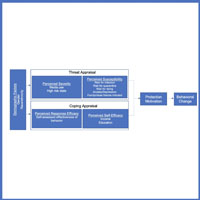
  • Age differences in the relationship between threatening and coping mechanisms and preventive behaviors in the time of COVID-19 in the United States: Protection Motivation Theory

    Jung Ki Kim, Eileen M. Crimmins
    2021-01-14
    https://doi.org/10.4081/ripppo.2020.485
    7528
    PDF: 1448
    HTML: 45
  • Group dynamic-relational therapy for perfectionism

    Samuel F. Mikail, Paul L. Hewitt, Gordon L. Flett, Sabrina Ge
    2022-09-01
    https://doi.org/10.4081/ripppo.2022.635
    4419
    PDF: 1219
    HTML: 99
  • How secure is the secure base? Romantic attachment, emotion regulation, and psychotherapists’ role as secure base figures

    Helena Carvalho, Gil Nata, Paula Mena Matos
    2024-04-22
    https://doi.org/10.4081/ripppo.2024.733
    2759
    PDF: 1219
    HTML: 40
  • Metacognitive interpersonal therapy-eating disorders versus cognitive behavioral therapy for eating disorders for non-underweight adults with eating disorders: study protocol for a pilot pre-registered randomized controlled trial

    Gloria Fioravanti, Martina Nicolis, Angus MacBeth, Giancarlo Dimaggio, Raffaele Popolo
    2023-08-28
    https://doi.org/10.4081/ripppo.2023.690
    4030
    PDF: 1581
    HTML: 57
  • Referential activity, dissociation, psychopathology and psychotherapy

    Raffaella Perrella, Nadia Del Villano, Giorgio Caviglia
    2016-11-11
    https://doi.org/10.4081/ripppo.2016.243
    2480
    PDF: 1252
    HTML: 542
  • Motivations to become psychotherapists: beyond the concept of the wounded healer

    Gianluca Cruciani, Marianna Liotti, Vittorio Lingiardi
    2024-08-26
    https://doi.org/10.4081/ripppo.2024.808
    8995
    PDF: 3330
    HTML: 938
  • An exploratory study on how attachment classifications manifest in group psychotherapy

    Alessandro Talia, Anna Georg, Björn Siepe, Salvatore Gullo, Madeleine Miller-Bottome, Jana Volkert, Corinne Neukel, Michael Kaess, Felix Bempohl, Sabine C. Herpertz, Svenja Taubner
    2022-11-04
    https://doi.org/10.4081/ripppo.2022.653
    3591
    PDF: 961
    HTML: 33
  • Psychodiagnostic Chart-Child (PDC-C): a valid and clinically sensitive diagnostic tool for patient-tailored intervention planning

    Alexandro Fortunato, Annalisa Tanzilli, Vittorio Lingiardi, Anna Maria Speranza
    2022-03-01
    https://doi.org/10.4081/ripppo.2022.591
    4997
    PDF: 1364
    HTML: 48
  • Esoteric power, useless, useful: considerations about dreams in cognitive-behavioural therapy

    Antonino Carcione, Marta Santonastaso, Francesca Sferruzza, Ilaria Riccardi
    2021-08-30
    https://doi.org/10.4081/ripppo.2021.543
    3736
    PDF: 1267
    HTML: 134
  • Interaction structures in the psychodynamic therapy of a boy diagnosed with Asperger’s disorder: a single-case study

    Vera Regina Rohnelt Ramires, Cibele Carvalho, Fernanda Munhoz Driemeier Schmidt, Guilherme Pacheco Fiorini, Geoff Goodman
    2015-12-23
    https://doi.org/10.4081/ripppo.2015.195
    2336
    PDF: 1969
  • Special issue: Research in child and adolescent psychotherapy

    Miriam Steele, Anna Maria Speranza
    2022-05-09
    https://doi.org/10.4081/ripppo.2022.633
    1594
    PDF: 602
    HTML: 32
  • Does technique matter? A multilevel meta-analysis on the association between psychotherapeutic techniques and outcome

    Christin Janine Grevenhaus, Christoph Flückiger, Lea Theimer, Cord Benecke
    2024-08-29
    https://doi.org/10.4081/ripppo.2024.803
    6052
    PDF: 2076
    HTML: 64
  • Shaping psychotherapy trainees’ potential: insights from training program directors

    Irene Messina, Giovanna Trimoldi
    2024-08-27
    https://doi.org/10.4081/ripppo.2024.799
    2884
    PDF: 828
    HTML: 51
  • How anxious did you feel during lockdown? The roles resilience, living environment, and gender play on the level of anxiety state during pandemic isolation

    Violeta Stefania Rotărescu, Diana Bianca Matei, Ioana Alexandra Mircea, Andreea Maria Mirescu, Bogdan George Nedelescu, Daniela Georgiana Nedelea, Alexandra Nicoleta Raluca Neagu, Alexandru George Necșulescu, Gabriel Angelo Oteșanu, Lucian Constantin Tudor
    2021-01-14
    https://doi.org/10.4081/ripppo.2020.496
    5660
    PDF: 1461
    HTML: 31
  • Effectiveness of internet-delivered dialectical behavior therapy skills training on executive functions among college students with borderline personality traits: a non-randomized controlled trial

    CV Vijayapriya, Rameshbabu Tamarana
    2023-10-30
    https://doi.org/10.4081/ripppo.2023.694
    3577
    PDF: 1520
    HTML: 127
  • "Maybe you don’t know what answers I want": unresolved alliance ruptures preceding dropout in short-term psychoanalytic psychotherapy with depressed adolescents

    Manuela Jose Difronzo, Lisa Thackeray, Sally O'Keeffe, Ana Calderon, Nick Midgley
    2025-03-30
    https://doi.org/10.4081/ripppo.2025.841
    1284
    PDF: 676
    SUPPLEMENTARY MATERIAL: 167
    HTML: 27
  • Adolescents’ experiences of psychotherapy following child sexual abuse

    Rosaleen McElvaney, Andrina Monaghan, Christina Treacy, Naoise Delaney
    2023-07-04
    https://doi.org/10.4081/ripppo.2023.630
    2761
    PDF: 1153
    HTML: 107
  • Repairing alliance ruptures in psychotherapy with adults: a scoping review

    Alberto López-Vásquez, Nicolás González-Araneda, Stephanie Vaccarezza, Catherine F. Eubanks, Paula Errázuriz
    2026-04-30
    https://doi.org/10.4081/ripppo.2026.892
    2173
    PDF: 608
    SUPPLEMENTARY MATERIAL: 91
    HTML: 213
  • Continuity and discontinuity between psychopathology of childhood and adulthood: a review on retrospective and prospective studies

    Immacolata Zarrella, Luigi Alessandro Russolillo, Giorgio Caviglia, Raffaella Perrella
    2017-07-06
    https://doi.org/10.4081/ripppo.2017.248
    3428
    PDF: 1494
    HTML: 2080
  • Saving a seat at the table for community members: co-creating an attachment-based intervention for low-income Latinx parent-youth dyads using a promotor/a model

    Jessica L. Borelli, Lyric N. Russo, Jose Arreola, Breana R. Cervantes, Christina M. Marquez, Gloria Montiel, Vanessa Avalos, Jacqueline Carballo, Jackie Garcia, Isha Bhatt, Gina Torres, Francisca Leal, Nancy Guerra
    2022-02-04
    https://doi.org/10.4081/ripppo.2022.598
    4470
    PDF: 1206
    Appendix: 367
    HTML: 52
  • Mental footnotes: knowledge constructivism from logical thinking to personal beliefs and therapy

    Jose L. Vilchez
    2016-11-07
    https://doi.org/10.4081/ripppo.2016.234
    2331
    PDF: 1178
    HTML: 376
  • A systematic review of patient-therapist synchrony as an indicator of emotion regulation in psychotherapy: an integrated approach Patient-therapist synchrony and emotion regulation

    Federica Ameli, Federico Abbarchi Minucci, Ludovica Zanini, Gioele Calmi, Grazia Fernanda Spitoni
    2025-09-30
    https://doi.org/10.4081/ripppo.2025.866
    1187
    PDF: 752
    SUPPLEMENTARY MATERIAL: 230
    HTML: 62
  • The role of oxytocin as an indicator of outcome and therapeutic alliance

    Chiara Durante, Giulia Di Vincenzo, Alessandra Minutoli, Giampaolo Nicolais, Valeria Carola
    2025-06-24
    https://doi.org/10.4081/ripppo.2025.842
    1354
    PDF: 835
    HTML: 13
  • The effectiveness of short-term dynamic/interpersonal group therapy on perfectionism; assessment of anxiety, depression and interpersonal problems

    Shirzad Babaei, Mahmood Dehghani, Fahimeh Fathali Lavasani, Ahmad Ashouri, Leila Mohamadi
    2022-12-29
    https://doi.org/10.4081/ripppo.2022.656
    3232
    PDF: 1313
    HTML: 75
  • Developing a prototype for relationship therapy psychoanalysis: an empirical study with the Psychotherapy Process Q-set

    Laura Bonalume, Laura Corbelli, Mattia Ferro, Anna Lisa Mazzoleni, Maria Pia Roggero
    2023-03-24
    https://doi.org/10.4081/ripppo.2023.674
    2442
    PDF: 765
    HTML: 30
  • Impact of personality traits, coping styles, and anger on psychological symptoms of patients with arterial hypertension Psychological factors in arterial hypertension

    Francesca Giordano, Sara Guidotti, Clemente Salerno, Carlo Pruneti, Omar Carlo Gioacchino Gelo
    2025-07-31
    https://doi.org/10.4081/ripppo.2025.867
    1443
    PDF: 676
    HTML: 17
  • Beyond self-criticism and dependency: structural functioning of depressive patients and its treatment

    Guillermo de la Parra, Paula Dagnino, Camila Valdés, Mariane Krause
    2017-04-19
    https://doi.org/10.4081/ripppo.2017.236
    2865
    PDF: 1353
    HTML: 459
  • Analysis of the Process in Brief Psychotherapy Group: The Role of Therapeutic Factors

    Cristina Marogna, Floriana Caccamo
    43-51
    2015-03-01
    https://doi.org/10.4081/ripppo.2014.161
    4893
    PDF: 8835
  • A theoretical and clinical perspective of an embodied view in psychotherapy of somatic symptoms disorders

    Maria Eugenia Moneta, Horst Kaechele
    2023-08-25
    https://doi.org/10.4081/ripppo.2023.605
    2617
    PDF: 998
    HTML: 82
  • Dreaming during lockdown: a quali-quantitative analysis of the Italian population dreams during the first COVID-19 pandemic wave

    Lidia Borghi, Federica Bonazza, Giulia Lamiani, Alessandro Musetti, Tommaso Manari, Maria Filosa, Maria C. Quattropani, Vittorio Lenzo, Maria Francesca Freda, Daniela Lemmo, Emanuela Saita, Roberto Cattivelli, Gianluca Castelnuovo, Elena Vegni, Christian Franceschini
    2021-08-24
    https://doi.org/10.4081/ripppo.2021.547
    4438
    PDF: 1046
    HTML: 105
  • Personality characteristics, music-listening, and well-being: a systematic and scoping review

    Chiara Rossi, Osmano Oasi, Barbara Colombo
    2024-03-25
    https://doi.org/10.4081/ripppo.2024.742
    3938
    PDF: 1391
    HTML: 340
  • Coping strategies and mental health: A web-based survey among the Italian population dealing with COVID-19

    Chiara Rossi, Francesca De Salve, Martina Agliati, Osmano Oasi
    2022-07-01
    https://doi.org/10.4081/ripppo.2022.609
    3736
    PDF: 1363
    HTML: 188
  • Assessing therapist and clinician competency in parent-infant psychotherapy: The REARING coding system (RCS) for the group attachment based intervention (GABI)

    Kelsey Armusewicz, Miriam Steele, Howard Steele, Anne Murphy
    2022-03-01
    https://doi.org/10.4081/ripppo.2022.562
    3535
    PDF: 1041
    HTML: 46
  • Dreaming in quarantine: linguistic analysis of referential process of dreams during COVID-19 pandemic lockdown

    Rachele Mariani, Silvia Monaco, Christopher Christian , Michela Di Trani
    2021-08-24
    https://doi.org/10.4081/ripppo.2021.537
    4148
    PDF: 923
    HTML: 119
  • The assessment of therapist responsiveness in psychotherapy research: a systematic review

    Giovanna Esposito, Francesco Cuomo, Angela Di Maro, Raffaella Passeggia
    2024-06-19
    https://doi.org/10.4081/ripppo.2024.751
    2793
    PDF: 746
    SUPPLEMENTARY MATERIAL: 280
    HTML: 251
  • Patient personality characteristics and therapeutic integration: treating borderline personality and emotionally dysregulated-dysphoric personality features

    Saryn R. Levy, Mark J. Hilsenroth, Francine Conway, Jesse Owen
    2022-06-30
    https://doi.org/10.4081/ripppo.2022.611
    3086
    PDF: 1343
    HTML: 164
  • Developing relational competence in psychotherapy training: a qualitative study of trainees’ perspectives

    Giovanna Trimoldi, Marco Sambin, Pietro Spataro, Giulia Gagliardini, Irene Messina
    2026-04-22
    https://doi.org/10.4081/ripppo.2026.890
    1331
    PDF: 461
    HTML: 174
  • The interplay of mentalization and epistemic trust: a protective mechanism against emotional dysregulation in adolescent internalizing symptoms

    Laura Parolin, Alberto Milesi, Giovanni Comelli, Francesca Locati
    2023-12-31
    https://doi.org/10.4081/ripppo.2023.707
    4373
    PDF: 1397
    HTML: 114
  • Dreaming during COVID-19: the effects of a world trauma

    Cristina Marogna, Emanuele Montanari, Silvio Contiero, Klodjana Lleshi
    2021-08-24
    https://doi.org/10.4081/ripppo.2021.541
    4866
    PDF: 1220
    HTML: 106
  • Suicidality and self-compassion in patients with major depressive disorder: the mediating role of the avoidant attachment type

    Vasiliki Yotsidi, Charis Ntakolia, Ioanna Rannou , Pilios-Dimitris Stavrou, Panagiotis Ferentinos, Athanasios Douzenis, Nikolaos Smyrnis, Efthimia Gavriilidou, Rossetos Gournellis
    2024-12-16
    https://doi.org/10.4081/ripppo.2024.826
    3472
    PDF: 865
    SUPPLEMENTARY: 218
    HTML: 44
  • Working on dreams, from neuroscience to psychotherapy

    Giorgio Caviglia
    2021-08-12
    https://doi.org/10.4081/ripppo.2021.540
    7387
    PDF: 1841
    HTML: 136
  • Childhood emotional maltreatment and internalizing problems in a non-clinical sample of adolescents: a moderated-mediation model of insecure anxious attachment style and gender

    Giorgio Falgares, Giulia Costanzo, Giovanna Manna, Dorian A. Lamis
    2024-06-24
    https://doi.org/10.4081/ripppo.2024.745
    3484
    PDF: 1204
    HTML: 54
  • Interpersonal emotion regulation questionnaire: psychometric properties of the Italian version and associations with psychopathology

    Irene Messina, Pietro Spataro, Alessandro Grecucci, Danielle M. Moskow, Cristina Marogna, Stefan G. Hofmann
    2022-08-24
    https://doi.org/10.4081/ripppo.2022.616
    4779
    PDF: 2598
    Appendix: 580
    HTML: 498
  • Attachment orientations and emotion regulation: new insights from the study of interpersonal emotion regulation strategies

    Irene Messina, Vincenzo Calvo, Alessandro Grecucci
    2023-12-31
    https://doi.org/10.4081/ripppo.2023.703
    7080
    PDF: 2674
    HTML: 266
  • Differentiating self-disclosure interventions from self-involving interventions based on the assessment of the short-term therapeutic effects: preliminary results

    Fabio Monticelli, Chiara Massullo, Antonino Carcione, Lucia Tombolini, Flaminia Guerra, Marianna Liotti, Cecilia Monticelli, Elena Gasperini, Marianna Russo, Samanta Novaretto, Letizia La Vista, Paola Mallozzi, Claudio Imperatori, Chiara Del Brutto, Benedetto Farina
    2025-02-10
    https://doi.org/10.4081/ripppo.2025.800
    4188
    PDF: 2014
    HTML: 36
  • Facilitative interpersonal skills in benign versus challenging therapy situations in trainee therapists: a pilot study

    Kim de Jong, Johanna Wilkens, Timothy Anderson, Kane Steggles
    2024-08-26
    https://doi.org/10.4081/ripppo.2024.804
    2720
    PDF: 544
    HTML: 177
  • Subjective experience of diagnosis and treatment in two adolescents with first-episode schizophrenia

    Marianella Abarzua, Francisco Venegas, Ximena Hidalgo
    2016-04-18
    https://doi.org/10.4081/ripppo.2016.189
    3260
    PDF: 1449
    HTML: 605
  • Psychotherapy with two late adulthood children of the colonies

    Zelda Gillian Knight
    2017-10-27
    https://doi.org/10.4081/ripppo.2017.287
    1656
    PDF: 849
    HTML: 237
  • The association of interpersonal distress with negative mental health outcomes in people with a diagnosed anxiety disorder: a meta-analytic review

    Malenka Areas, Cristoph Flückiger, Juan Martín Gómez Penedo
    2026-07-01
    https://doi.org/10.4081/ripppo.2026.894
    149
    PDF: 72
    HTML: 3
  • Reliability and factorial validity of long and brief versions of the inventory of personality organization in a Latvian sample

    Aija de Starceva-Apele, Malgozata Rascevska
    2022-06-30
    https://doi.org/10.4081/ripppo.2022.606
    2995
    PDF: 1470
    HTML: 165
  • Family dynamics. An exploration of parental sensitivity and depressive symptoms among mothers and fathers of toddlers

    Antonia Muzard, Marcia Olhaberry, Nina Immel, Javier Moran-Kneer
    2021-12-20
    https://doi.org/10.4081/ripppo.2021.551
    3569
    PDF: 971
    HTML: 52
  • Exploring the impacts of COVID-19 related social distancing on loneliness, psychological needs and symptomatology

    Bruno Faustino, António Branco Vasco, João Delgado, António Farinha-Fernandes, José Carlos Guerreiro
    2021-01-14
    https://doi.org/10.4081/ripppo.2020.492
    4174
    PDF: 941
    HTML: 20
1 - 100 of 109 items 1 2 > >> 

authors

FOR AUTHORS
  • SUBMIT YOUR PAPER
  • Guide for Authors
  • Benefits for Authors
  • How to write a scientific paper
  • How to write a Review article
  • Article Processing Charge
  • Index of Authors

reviewers

FOR REVIEWERS
  • Benefits for Reviewers
  • How to review

indexing

INDEXING
  • PubMed Central
  • PubMed
  • Scopus
  • Web of Science
  • DOAJ
  • OpenAlex
  • APA PsycInfo
  • ESCI
  • Analytics

Keywords

  • Effectiveness of Jungian psychotherapy in supervised training settings
    526
  • Therapeutic interventions in intimate partner violence: an overview
    511
  • Intensive Short-term Dynamic Psychotherapy: A Treatment Overview and Empirical Basis
    391
  • Therapist self-awareness and perception of actual performance: the effects of listening to one recorded session
    390
  • Research in psychoanalysis across theory and practice: a systematic literature review
    306
Vol. 29 No. 1 (2026)
Developing relational competence in psychotherapy training: a qualitative study of trainees’ perspectives
Giovanna Trimoldi et al.
22 April 2026
Vol. 29 No. 1 (2026)
Patient experiences in receiving virtual psychotherapy: a qualitative study
Giorgio A. Tasca et al.
4 March 2026
Vol. 29 No. 1 (2026)
Examining the factor structure of the 40-item Defense Style Questionnaire among adults with depression: an individual participant data meta-analysis
Frederik J. Wienicke et al.
16 February 2026
Vol. 29 No. 1 (2026)
Eye movement desensitization and reprocessing versus cognitive behavioral therapy in the treatment of inpatients with obesity, binge eating...
Anna Guerrini Usubini et al.
16 February 2026
Research in Psychotherapy: Psychopathology, Process and Outcome

is an Open Access, peer-reviewed journal published by PAGEPress®, Pavia, Italy. All credits and honors to PKP for their OJS.

pISSN: 2499-7552
eISSN: 2239-8031

Our App Is Free For Anyone!

Themes by Openjournaltheme.com

© PAGEPress 2008-2026    •    PAGEPress® is a registered trademark property of PAGEPress srl, Italy    •    VAT: IT02125780185
This journal is published by PAGEPress® srl (Pavia, Italy), which is the data controller for all personal data processed through this platform. For full details on how your data is collected, used and protected, please read our Privacy Policy.