















































Skip to main content Skip to main navigation menu Skip to site footer
Research in Psychotherapy: Psychopathology, Process and Outcome

Editor-in-Chief: Mariagrazia Di Giuseppe | Scientific Director: Vittorio Lingiardi | eISSN 2239-8031 - pISSN 2499-7552

  • About the Journal
  • Editorial Board
  • Publication Ethics
  • Current issue
  • Archives
  • Online Advance
  • Special Issues
    • Overview
    • Forthcoming Special Issues
  • Copyright
  • Register
  • Login
  • Search
  • Contacts
  • News
3.5
Impact Factor 2025
5.7
CiteScore 2025
3.5
Impact Factor 2025
5.7
CiteScore 2025
Submit
an article
  1. Home /
  2. Search

Search

Advanced filters
Published After
Published Before

Search Results

##search.searchResults.foundPlural##
  • The transition to online psychotherapy during the pandemic: a qualitative study on patients’ perspectives

    Cecilia Giordano, Ivan Ambrosiano , Maria Teresa Graffeo, Alessandro Di Caro, Salvatore Gullo
    2022-11-04
    https://doi.org/10.4081/ripppo.2022.638
    5770
    PDF: 1949
    HTML: 55
  • Characteristics of effective online interventions: implications for adolescents with personality disorder during a global pandemic

    Samantha Reis, Emily L. Matthews, Brin F.S. Grenyer
    2021-01-20
    https://doi.org/10.4081/ripppo.2020.488
    23747
    PDF: 1284
    HTML: 39
  • ‘Isolated together’: online group treatments during the COVID-19 pandemic. A systematic review

    Giorgia Margherita, Benedetta Muzii, Alessia Caffieri, Adriana Di Francia, Brenda Somma
    2022-11-04
    https://doi.org/10.4081/ripppo.2022.639
    3751
    PDF: 1001
    HTML: 59
  • Patient experiences in receiving virtual psychotherapy: a qualitative study

    Giorgio A. Tasca, Andie Storozuk, Victoria Klimkowski, Emily O’Connor, Stephanie Baker, Danielle Baldwin, Stephanie A. Houle, Camille Garceau, John Sylvestre
    2026-03-04
    https://doi.org/10.4081/ripppo.2026.888
    1651
    PDF: 631
    SUPPLEMENTARY MATERIAL: 108
    HTML: 184
  • Models of practice and training in psychotherapy: cross-national perspectives from Italy and Canada

    Victoria Klimkowski, Sofia McRae, Alexia Blick, Laurence Beaulieu, J. Reese S. Handley, Anara A. Hopley, Caroline A. Hyde, Devika M. Jain, Sylvia Kolodziejczyk, Josiane Laliberté, Alexa Lévesque, Lara M. Masri, Anya M. Monet, Reagan S. Nediu, Rachel Valihrach, Giorgio Tasca
    2024-03-14
    https://doi.org/10.4081/ripppo.2024.732
    2545
    PDF: 1001
    Supplementary Material: 321
    HTML: 64
  • It takes two to tango: a qualitative meta-synthesis on processes of psychotherapy dropout from the Single Case Archive

    Liza Notaerts, Melissa De Smet, Martin Finn, Kimberly Van Nieuwenhove, Vicky Hennissen, Reitske Meganck
    2025-12-03
    https://doi.org/10.4081/ripppo.2025.876
    1372
    PDF: 828
    HTML: 86
  • Shaping psychotherapy trainees’ potential: insights from training program directors

    Irene Messina, Giovanna Trimoldi
    2024-08-27
    https://doi.org/10.4081/ripppo.2024.799
    2943
    PDF: 847
    HTML: 52
  • Acceptability of an adventure video game in the treatment of female adolescents with symptoms of depression

    Alvaro E. Carrasco
    2016-04-18
    https://doi.org/10.4081/ripppo.2016.182
    8300
    PDF: 2780
    HTML: 844
  • Introducing the QACP: development and preliminary validation of an instrument to measure psychotherapist’s core competencies

    Michele Settanni, Monica Bronzini, Giuseppe Carzedda, Giuseppe Godino, Maria Luisa Manca, Luisa Martini, Gianluca Provvedi, Francesco Quilghini, Alberto Zucconi, Gianni Francesetti
    2022-08-01
    https://doi.org/10.4081/ripppo.2022.599
    3751
    PDF: 1262
    HTML: 201
  • Repairing alliance ruptures in psychotherapy with adults: a scoping review

    Alberto López-Vásquez, Nicolás González-Araneda, Stephanie Vaccarezza, Catherine F. Eubanks, Paula Errázuriz
    2026-04-30
    https://doi.org/10.4081/ripppo.2026.892
    2429
    PDF: 663
    SUPPLEMENTARY MATERIAL: 107
    HTML: 227
  • Facilitative interpersonal skills are relevant in child therapy too, so why don’t we measure them?

    Jordan Bate, Angelica Tsakas
    2022-05-09
    https://doi.org/10.4081/ripppo.2022.595
    3031
    PDF: 1375
    HTML: 59
  • Facets of the psychotherapy relationship: a metaphorical approach

    Tomáš Řiháček, Jan Roubal, Katarína Motalová
    2021-01-14
    https://doi.org/10.4081/ripppo.2020.468
    2264
    PDF: 871
    HTML: 40
  • New horizons in group psychotherapy research and practice from third wave positive psychology: a practice-friendly review

    Cheri L. Marmarosh, Steven Sandage, Nathaniel Wade, Laura E. Captari, Sarah Crabtree
    2022-11-04
    https://doi.org/10.4081/ripppo.2022.643
    13614
    PDF: 3524
    HTML: 105
  • "Maybe you don’t know what answers I want": unresolved alliance ruptures preceding dropout in short-term psychoanalytic psychotherapy with depressed adolescents

    Manuela Jose Difronzo, Lisa Thackeray, Sally O'Keeffe, Ana Calderon, Nick Midgley
    2025-03-30
    https://doi.org/10.4081/ripppo.2025.841
    1306
    PDF: 721
    SUPPLEMENTARY MATERIAL: 183
    HTML: 30
  • The person behind the therapist: a recall study on significant events that contribute to therapists’ personal and professional development

    Hubert de Condé, Emmanuelle Zech, Jochem Willemsen
    2024-08-29
    https://doi.org/10.4081/ripppo.2024.791
    9882
    PDF: 1665
    HTML: 102
  • The effect of positive psychotherapy in test anxiety among Zahedan students with hemophilia

    Mahbobe Ghavidel Heydari, Mahmoud Shirazi, Gholam Reza Sanagouyemoharer
    2018-04-12
    https://doi.org/10.4081/ripppo.2018.307
    2457
    PDF: 1298
    HTML: 249
  • Living under lockdown in the shadow of the COVID-19 pandemic in South Africa: anxious voices from the unplanned shift to online therapy

    Zelda Gillian Knight
    2021-01-14
    https://doi.org/10.4081/ripppo.2020.487
    3615
    PDF: 849
    HTML: 27
  • Personal therapeutic approach in Gestalt therapists working with clients suffering from medically unexplained psychosomatic symptoms

    Jan Roubal, Roman Hytych, Michal Čevelíček, Tomáš Řiháček
    2021-12-20
    https://doi.org/10.4081/ripppo.2021.535
    9119
    PDF: 2104
    Appendix: 230
    HTML: 96
  • Effectiveness of Jungian psychotherapy in supervised training settings

    Christian Roesler, Elisabeth Schörry-Volk, Anette Müller, Edem Dotse Zikpi, Wolfram Keller, Miray Kayacan
    2025-08-25
    https://doi.org/10.4081/ripppo.2025.869
    4811
    PDF: 3270
    HTML: 85
  • The real relationship: the Portuguese version of the Real Relationship Inventory-Client form

    Pedro Rodrigues Ribeiro, David Dias Neto
    2023-07-05
    https://doi.org/10.4081/ripppo.2023.678
    2664
    PDF: 1133
    HTML: 119
  • Changes in the anaclitic-introjective personality configurations following psychoanalytic psychotherapy with young adults

    Andrzej Werbart, Siri Aldèn, Anders Diedrichs
    2017-04-13
    https://doi.org/10.4081/ripppo.2017.239
    2575
    PDF: 1111
    APPENDIX: 422
    HTML: 2115
  • Online Supportive Group as social intervention to face COVID lockdown. A qualitative study on psychotherapists, psychology trainees and students, and community people

    Emanuela Brusadelli, Laura Ferrari, Michele Benetti, Stefania Bruzzese, Giada Maria Tonelli, Salvatore Gullo
    2021-01-20
    https://doi.org/10.4081/ripppo.2020.501
    2688
    PDF: 1234
    HTML: 40
  • The feasibility, acceptability and effectiveness of a feedback-informed group treatment (FIGT) tool for patients with anxiety or depressive disorders

    Marjolein M. W. Koementas-de Vos, Lucas C. Colleye, Bea Tiemens, Fabiana Engelsbel, Kim de Jong, Cilia L. M. Witteman, M. Annet Nugter
    2022-09-19
    https://doi.org/10.4081/ripppo.2022.647
    3813
    PDF: 862
    HTML: 21
  • How secure is the secure base? Romantic attachment, emotion regulation, and psychotherapists’ role as secure base figures

    Helena Carvalho, Gil Nata, Paula Mena Matos
    2024-04-22
    https://doi.org/10.4081/ripppo.2024.733
    2803
    PDF: 1248
    HTML: 43
  • Attachment insecurity predicts outcomes in an ACT-CBT group therapy for adults in a physical rehabilitation centre

    Danijela Maras, Louise Balfour, Monique Lefebvre, Giorgio A. Tasca
    2022-09-01
    https://doi.org/10.4081/ripppo.2022.634
    4852
    PDF: 1052
    Appendix: 248
    HTML: 47
  • Reflective functioning and personal recovery process of users with borderline personality disorder on Instagram: an explorative study using computerized and thematic analysis

    Giovanna Esposito, Viviana Perla, Raffaella Passeggia, Erik Fertuck, Erhard Mergenthaler
    2021-01-18
    https://doi.org/10.4081/ripppo.2020.463
    2723
    PDF: 969
    HTML: 54
  • Assessing therapist and clinician competency in parent-infant psychotherapy: The REARING coding system (RCS) for the group attachment based intervention (GABI)

    Kelsey Armusewicz, Miriam Steele, Howard Steele, Anne Murphy
    2022-03-01
    https://doi.org/10.4081/ripppo.2022.562
    3569
    PDF: 1085
    HTML: 47
  • Therapists’ defense use impacts their patients’ defensive functioning: a systematic case study

    Mariagrazia Di Giuseppe, Katie Aafjes-van Doorn, Vera Békés, Bernard S. Gorman, Karl Stukenberg, Sherwood Waldron
    2024-08-23
    https://doi.org/10.4081/ripppo.2024.797
    3465
    PDF: 794
    HTML: 64
  • Trauma focused-cognitive behavioral therapy training effectiveness in promoting professional development of psychotherapists working with unaccompanied minors in Greece: a non-blinded randomized control trial

    Vasiliki Yotsidi, Theodora Anastasiou, Konstantinos Doulgeris, Panagiota Theodosiou, Clive Richardson
    2024-08-27
    https://doi.org/10.4081/ripppo.2024.796
    2076
    PDF: 549
    HTML: 86
  • The psychological impact of COVID-19 on people suffering from dysfunctional eating behaviours: a linguistic analysis of the contents shared in an online community during the lockdown

    Gaia Albano, Rubinia Celeste Bonfanti, Salvatore Gullo, Laura Salerno, Gianluca Lo Coco
    2021-12-20
    https://doi.org/10.4081/ripppo.2021.557
    2888
    PDF: 968
    Appendix: 271
    HTML: 45
  • Validation of the client satisfaction questionnaire: a pilot psychometric analysis in Portuguese routine practice

    Sara Silva, Isabel Basto, João Salgado, Carla Cunha
    2023-07-27
    https://doi.org/10.4081/ripppo.2023.687
    3572
    PDF: 1367
    HTML: 101
  • Development and preliminary validation of the Clinician Affective REsponse (CARE) scale

    Alberto Stefana, Paolo Fusar-Poli, Joshua Langfus, Eduard Vieta, Eric Youngstrom
    2024-03-21
    https://doi.org/10.4081/ripppo.2024.736
    2285
    PDF: 1114
    APPENDIX: 295
    SUPPLEMENTARY MATERIALS: 280
    HTML: 50
  • The assessment of therapist responsiveness in psychotherapy research: a systematic review

    Giovanna Esposito, Francesco Cuomo, Angela Di Maro, Raffaella Passeggia
    2024-06-19
    https://doi.org/10.4081/ripppo.2024.751
    2860
    PDF: 789
    SUPPLEMENTARY MATERIAL: 293
    HTML: 253
  • Effectiveness of internet-delivered dialectical behavior therapy skills training on executive functions among college students with borderline personality traits: a non-randomized controlled trial

    CV Vijayapriya, Rameshbabu Tamarana
    2023-10-30
    https://doi.org/10.4081/ripppo.2023.694
    3607
    PDF: 1548
    HTML: 128
  • Tracking change in group interventions: a further adaptation of the innovative moments coding system for groups

    Giovanna Esposito, Anna Sara Cutolo, Raffaella Passeggia, Silvia Formentin, Miguel Mario Gonçalves
    2022-12-29
    https://doi.org/10.4081/ripppo.2022.648
    1922
    PDF: 602
    HTML: 21
  • Psychotherapists’ experiences of telepsychotherapy during the COVID-19 pandemic in Argentina: impact on therapy setting, therapeutic relationship and burden

    Vera Luisa König, María Isabel Fontao, Leandro Martín Casari, Alejandra Ruth Taborda
    2023-02-03
    https://doi.org/10.4081/ripppo.2023.632
    2608
    PDF: 835
    Appendices: 342
    HTML: 59
  • Developing a prototype for relationship therapy psychoanalysis: an empirical study with the Psychotherapy Process Q-set

    Laura Bonalume, Laura Corbelli, Mattia Ferro, Anna Lisa Mazzoleni, Maria Pia Roggero
    2023-03-24
    https://doi.org/10.4081/ripppo.2023.674
    2471
    PDF: 786
    HTML: 31
  • Assessing children’s defense mechanisms with the Defense Mechanisms Rating Scales Q-sort for Children

    Mariagrazia Di Giuseppe, Tracy A. Prout, Lauren Ammar, Thomas Kui, Ciro Conversano
    2021-12-21
    https://doi.org/10.4081/ripppo.2021.590
    4422
    PDF: 1644
    HTML: 854
  • Self-assessment of patterns of subjective experience: development and psychometric study of the States of Mind Questionnaire

    Bruno Faustino, António Branco Vasco, Giancarlo Dimaggio, Ana Nunes da Silva; Sophie Seromenho
    2021-01-20
    https://doi.org/10.4081/ripppo.2020.465
    2378
    PDF: 917
    HTML: 29
  • What do you expect from psychological care? A qualitative study of depressed patients’ expectations treated in mental healthcare settings Depressed patients' psychological care expectations

    Ana Karina Zúñiga Caiseo, Guillermo De la Parra, Lucía Núñez, Mariane Krause
    2025-03-26
    https://doi.org/10.4081/ripppo.2025.839
    3427
    PDF: 1271
    HTML: 11
  • Sense of meaning as a predictor of long-term therapy outcome in psychiatric inpatients: results of a one-year follow-up Meaning and long-term therapy outcome

    René Hefti, Daren Sunthareswarar, Thomas Wartenweiler, Harold Koenig, Michael Ackert
    2025-09-30
    https://doi.org/10.4081/ripppo.2025.859
    511
    PDF: 408
    HTML: 16
  • Beyond the outcomes: generic change indicators in a video-feedback intervention with a depressed mother and her baby: a single case study

    Catalina Sieverson, Marcia Olhaberry, Javiera Duarte, Javier Morán-Kneer, Stefanella Costa, M. José León, Sofía Valenzuela, Fanny Leyton, Carolina Honorato, Antonia Muzard
    2022-03-04
    https://doi.org/10.4081/ripppo.2022.584
    4312
    PDF: 941
    HTML: 38
  • The role of oxytocin as an indicator of outcome and therapeutic alliance

    Chiara Durante, Giulia Di Vincenzo, Alessandra Minutoli, Giampaolo Nicolais, Valeria Carola
    2025-06-24
    https://doi.org/10.4081/ripppo.2025.842
    1385
    PDF: 869
    HTML: 14
  • Trans in treatment: a mixed-method systematic review on the psychotherapeutic experiences of transgender and gender diverse people Transgender people’s experiences of psychotherapy

    Selene Mezzalira, Nicola Carone, Vincenzo Bochicchio, Sofia Villani, Gianluca Cruciani, Maria Quintigliano, Cristiano Scandurra
    2025-02-28
    https://doi.org/10.4081/ripppo.2025.834
    4551
    PDF: 1918
    SUPPLEMENTARY MATERIAL: 874
    HTML: 49
  • Epistemic trust: a comprehensive review of empirical insights and implications for developmental psychopathology

    Elizabeth Li, Chloe Campbell, Nick Midgley, Patrick Luyten
    2023-12-20
    https://doi.org/10.4081/ripppo.2023.704
    11162
    PDF: 3184
    Supplementary Material: 366
    HTML: 283
  • The effectiveness of short-term dynamic/interpersonal group therapy on perfectionism; assessment of anxiety, depression and interpersonal problems

    Shirzad Babaei, Mahmood Dehghani, Fahimeh Fathali Lavasani, Ahmad Ashouri, Leila Mohamadi
    2022-12-29
    https://doi.org/10.4081/ripppo.2022.656
    3286
    PDF: 1345
    HTML: 77
  • Personal Projects Analysis as an idiographic approach in psychotherapy: an exploratory study

    Margarida Pedroso de Lima, Isabel Albuquerque, Paulo Jorge Martins, António-José Gonzalez
    2023-05-08
    https://doi.org/10.4081/ripppo.2023.668
    2010
    PDF: 615
    HTML: 33
  • Esoteric power, useless, useful: considerations about dreams in cognitive-behavioural therapy

    Antonino Carcione, Marta Santonastaso, Francesca Sferruzza, Ilaria Riccardi
    2021-08-30
    https://doi.org/10.4081/ripppo.2021.543
    3773
    PDF: 1287
    HTML: 135
  • The relationship between defense mechanisms and attachment: a narrative review

    Rose Howell, Vera Békés
    2025-12-31
    https://doi.org/10.4081/ripppo.2025.879
    3453
    PDF: 756
    HTML: 93
  • Professional burnout in therapists working with LGBTQ+ patients: associations with defenses and reflective functioning

    Gianluca Cruciani, Jacopo Tracchegiani, Maria Quintigliano, Selene Mezzalira, Cristiano Scandurra, Nicola Carone
    2025-12-31
    https://doi.org/10.4081/ripppo.2025.880
    1222
    PDF: 672
    HTML: 89
  • My story in response to the stories of my patients’ experience of the impact of the COVID-19 pandemic: a relational psychoanalytic approach

    Zelda Gillian Knight
    2021-01-14
    https://doi.org/10.4081/ripppo.2020.490
    1841
    PDF: 780
    HTML: 28
  • The associations between interoceptive awareness, emotion regulation, acceptance, and well-being in patients receiving multicomponent treatment: a dynamic panel network model

    Adam Klocek, Tomáš Řiháček
    2023-07-26
    https://doi.org/10.4081/ripppo.2023.659
    3365
    PDF: 1154
    Supplementary Material: 309
    HTML: 168
  • Facing the coronavirus pandemic era

    Emanuela Brusadelli, Christian Schubert, Silvia Salcuni
    2021-01-14
    https://doi.org/10.4081/ripppo.2020.509
    2913
    PDF: 683
    HTML: 22
  • Problematic internet use in emerging adulthood to escape from maternal helicopter parenting: defensive functioning as a mediating mechanism

    Nicola Carone, Ilaria Maria Antonietta Benzi, Laura Muzi, Laura Antonia Lucia Parolin, Andrea Fontana
    2023-11-08
    https://doi.org/10.4081/ripppo.2023.693
    3140
    PDF: 1804
    HTML: 108
  • Effectiveness of dialectical behavior therapy as a transdiagnostic treatment for improving cognitive functions: a systematic review

    CV Vijayapriya, Rameshbabu Tamarana
    2023-07-04
    https://doi.org/10.4081/ripppo.2023.662
    9458
    PDF: 3026
    HTML: 201
  • Defense mechanisms and social mentalities in grandiose narcissism: an empirical investigation

    Annalisa Tanzilli, Marianna Liotti, Davide Guarino, Gabriele Lo Buglio, Francesco Dentale, Michele Vecchione, Vittorio Lingiardi
    2025-12-31
    https://doi.org/10.4081/ripppo.2025.882
    1336
    PDF: 522
    SUPPLEMENTARY MATERIAL: 221
    HTML: 113
  • Italian validation of the Clinical Outcomes in Routine Evaluation-10 (CORE-10): a short measure for routine outcome monitoring in clinical practice

    Antonino La Tona, Sofia Tagini, Agostino Brugnera, Barbara Poletti, Edoardo Nicolò Aiello, Gianluca Lo Coco, Lidia Del Piccolo, Angelo Compare
    2023-04-04
    https://doi.org/10.4081/ripppo.2023.671
    3023
    PDF: 968
    Supplementary Material: 221
    HTML: 46
  • Effect of defense mechanisms on the longitudinal development of interpersonal problems during outpatient therapy

    Jonas Schmitt, Matthias Volz, Cord Benecke
    2025-12-31
    https://doi.org/10.4081/ripppo.2025.878
    1931
    PDF: 845
    SUPPLEMENTARY MATERIAL: 213
    HTML: 78
  • The catcher in the mind: validation of the brief-mentalized affectivity scale for adolescents in the Italian population

    Marianna Liotti, Alice Fiorini Bincoletto, Fabiola Bizzi, Marta Tironi, Simone Charpentier Mora, Donatella Cavanna, Guido Giovanardi, Elliot Jurist, Anna Maria Speranza, Vittorio Lingiardi, Annalisa Tanzilli
    2023-12-31
    https://doi.org/10.4081/ripppo.2023.709
    3002
    PDF: 994
    HTML: 71
  • Examining the factor structure of the 40-item Defense Style Questionnaire among adults with depression: an individual participant data meta-analysis

    Frederik J. Wienicke, William J. Burk, Erkki Heinonen, Olavi Lindfors, Tommi Härkänen, Paul Knekt, Sampo Sarvasmaa, Luciano Dias de Mattos Souza, Karen Jansen, Ricardo Azevedo da Silva, Érico Nobre dos Santos, Jack J. M. Dekker, Jaap Peen, Henricus L. Van, John Christopher Perry, William M. van der Veld, Ednei Soares, Jan Spijker, Ellen Driessen
    2026-02-16
    https://doi.org/10.4081/ripppo.2026.887
    1893
    PDF: 747
    SUPPLEMENTARY MATERIAL: 120
    SUPPLEMENTARY R MARKDOWN: 52
    HTML: 218
  • The extended unconscious group field and metabolization of pandemic experience: dreaming together to keep cohesion alive

    Cristina Marogna, Chiara Masaro, Vincenzo Calvo, Simona Ghedin, Floriana Caccamo
    2022-12-29
    https://doi.org/10.4081/ripppo.2022.646
    1637
    PDF: 803
    HTML: 30
  • What is therapeutic? Analysis of the narratives available on the websites of Italian addiction rehab centres to present the therapeutic programme

    Elena Faccio, Ludovica Aquili, Michele Rocelli
    2022-09-01
    https://doi.org/10.4081/ripppo.2022.613
    3894
    PDF: 980
    HTML: 25
  • Coping with shame: the role of self-reflective capacities in perceiving others as empathic

    Georgia J. Bush, Andrew F. Luchner
    2025-03-30
    https://doi.org/10.4081/ripppo.2025.824
    3614
    PDF: 1570
    HTML: 60
  • Interpersonal emotion regulation questionnaire: psychometric properties of the Italian version and associations with psychopathology

    Irene Messina, Pietro Spataro, Alessandro Grecucci, Danielle M. Moskow, Cristina Marogna, Stefan G. Hofmann
    2022-08-24
    https://doi.org/10.4081/ripppo.2022.616
    4844
    PDF: 2623
    Appendix: 598
    HTML: 503
  • Exploring the impacts of COVID-19 related social distancing on loneliness, psychological needs and symptomatology

    Bruno Faustino, António Branco Vasco, João Delgado, António Farinha-Fernandes, José Carlos Guerreiro
    2021-01-14
    https://doi.org/10.4081/ripppo.2020.492
    4199
    PDF: 956
    HTML: 21
  • Effectiveness of and processes related to internet-delivered acceptance and commitment therapy for adolescents with anxiety disorders: a randomized controlled trial

    Linnea Nissling, Sandra Weineland, Kristofer Vernmark, Ella Radvogin, Anna-Karin Engström, Sara Schmidt, Eva Nieto Granberg, Elin Larsson, Timo Hursti
    2023-07-04
    https://doi.org/10.4081/ripppo.2023.681
    4520
    PDF: 1895
    HTML: 134
  • Attachment orientations and emotion regulation: new insights from the study of interpersonal emotion regulation strategies

    Irene Messina, Vincenzo Calvo, Alessandro Grecucci
    2023-12-31
    https://doi.org/10.4081/ripppo.2023.703
    7202
    PDF: 2753
    HTML: 274
  • Virtue, well-being, and mentalized affectivity

    Elliot Jurist, David Greenberg, Marissa Pizziferro, Rozita Alaluf, Michael Perez Sosa
    2023-12-31
    https://doi.org/10.4081/ripppo.2023.710
    2573
    PDF: 1051
    Supplementary Material: 277
    HTML: 92
  • Facilitative interpersonal skills in benign versus challenging therapy situations in trainee therapists: a pilot study

    Kim de Jong, Johanna Wilkens, Timothy Anderson, Kane Steggles
    2024-08-26
    https://doi.org/10.4081/ripppo.2024.804
    2748
    PDF: 567
    HTML: 183
  • Negative and positive ageism in an Italian sample: how ageist beliefs relate to epistemic trust, psychological distress, and well-being

    Alice Fiorini Bincoletto, Ludovica Zanini, Grazia Fernanda Spitoni, Vittorio Lingiardi
    2023-07-27
    https://doi.org/10.4081/ripppo.2023.676
    3296
    PDF: 1159
    HTML: 103
  • Defense mechanisms are associated with mental health symptoms across six countries

    Vera Békés, Claire J. Starrs, J. Christopher Perry, Tracy A. Prout, Ciro Conversano, Mariagrazia Di Giuseppe
    2023-12-31
    https://doi.org/10.4081/ripppo.2023.729
    3915
    PDF: 1361
    Supplementary Material: 229
    HTML: 603
  • Going through the lockdown: a longitudinal study on the psychological consequences of the coronavirus pandemic

    Salvatore Gullo, Ilaria Misici, Arianna Teti, Michele Liuzzi, Enrico Chiara
    2021-01-20
    https://doi.org/10.4081/ripppo.2020.494
    4732
    PDF: 1164
    SUPPLEMENTARY: 259
    HTML: 36
  • Working on dreams, from neuroscience to psychotherapy

    Giorgio Caviglia
    2021-08-12
    https://doi.org/10.4081/ripppo.2021.540
    7418
    PDF: 1874
    HTML: 137
  • Impairment in personality functioning predicts young adult suicidal ideation and suicide attempt above and beyond depressive symptoms

    Kiran Boone, Kennedy M. Balzen, Carla Sharp
    2024-12-31
    https://doi.org/10.4081/ripppo.2024.814
    1897
    PDF: 631
    SUPPLEMENTARY: 146
    HTML: 27
  • Reliability and factorial validity of long and brief versions of the inventory of personality organization in a Latvian sample

    Aija de Starceva-Apele, Malgozata Rascevska
    2022-06-30
    https://doi.org/10.4081/ripppo.2022.606
    3020
    PDF: 1494
    HTML: 166
  • Dreaming during the COVID-19 lockdown: a comparison of Italian adolescents and adults

    Massimiliano Sommantico, Ilaria Iorio, Marina Lacatena, Santa Parrello
    2021-08-12
    https://doi.org/10.4081/ripppo.2021.536
    5518
    PDF: 745
    HTML: 88
  • Psychodiagnostic Chart-Child (PDC-C): a valid and clinically sensitive diagnostic tool for patient-tailored intervention planning

    Alexandro Fortunato, Annalisa Tanzilli, Vittorio Lingiardi, Anna Maria Speranza
    2022-03-01
    https://doi.org/10.4081/ripppo.2022.591
    5040
    PDF: 1390
    HTML: 49
  • “Trust me, do not trust anyone”: how epistemic mistrust and credulity are associated with conspiracy mentality

    Felix Brauner, Peter Fonagy, Chloe Campbell, Julia Griem, Timo Storck, Tobias Nolte
    2023-12-28
    https://doi.org/10.4081/ripppo.2023.705
    5149
    PDF: 1665
    HTML: 234
  • The efficacy of transdiagnostic cognitive behavioural therapy on reducing negative affect, anxiety sensitivity and improving perceived control in children with emotional disorders - a randomized controlled trial

    Elham Qanbari Alaee, Omid Saed, Sahel Khakpoor, Reza Ahmadi, Mahsa Ali Mohammadi, Majid Yoosefi Afrashteh, Zekrolah Morovati
    2022-05-09
    https://doi.org/10.4081/ripppo.2022.588
    3923
    PDF: 1381
    HTML: 122
  • The interplay of mentalization and epistemic trust: a protective mechanism against emotional dysregulation in adolescent internalizing symptoms

    Laura Parolin, Alberto Milesi, Giovanni Comelli, Francesca Locati
    2023-12-31
    https://doi.org/10.4081/ripppo.2023.707
    4478
    PDF: 1429
    HTML: 115
  • Coping strategies and mental health: A web-based survey among the Italian population dealing with COVID-19

    Chiara Rossi, Francesca De Salve, Martina Agliati, Osmano Oasi
    2022-07-01
    https://doi.org/10.4081/ripppo.2022.609
    3763
    PDF: 1392
    HTML: 189
  • Saving a seat at the table for community members: co-creating an attachment-based intervention for low-income Latinx parent-youth dyads using a promotor/a model

    Jessica L. Borelli, Lyric N. Russo, Jose Arreola, Breana R. Cervantes, Christina M. Marquez, Gloria Montiel, Vanessa Avalos, Jacqueline Carballo, Jackie Garcia, Isha Bhatt, Gina Torres, Francisca Leal, Nancy Guerra
    2022-02-04
    https://doi.org/10.4081/ripppo.2022.598
    4502
    PDF: 1221
    Appendix: 390
    HTML: 53
  • Till the ocean do us part: Italian and American therapists representations of stepfamilies in treatment

    Monica Accordini, Scott Browning, Marialuisa Gennari, Kevin McCarthy, Davide Margola
    2017-10-27
    https://doi.org/10.4081/ripppo.2017.271
    1424
    PDF: 906
    HTML: 409
  • DreamSenseMemory - a Gestalt-based dream-work approach embracing all our senses

    Brigitte Holzinger, Franziska Nierwetberg; Larissa Cosentino; Lucille Mayer
    2021-08-24
    https://doi.org/10.4081/ripppo.2021.529
    10284
    PDF: 2236
    HTML: 182
  • An overview of the Italian contribution to the international multisite SPRISTAD study on psychotherapy training

    Irene Messina, Salvatore Gullo, Omar Carlo Gioacchino Gelo, Cecilia Giordano, Silvia Salcuni
    2019-12-19
    https://doi.org/10.4081/ripppo.2019.418
    1605
    PDF: 1065
    HTML: 25
  • Personality characteristics, music-listening, and well-being: a systematic and scoping review

    Chiara Rossi, Osmano Oasi, Barbara Colombo
    2024-03-25
    https://doi.org/10.4081/ripppo.2024.742
    4008
    PDF: 1426
    HTML: 343
  • Different epistemic stances for different traumatic experiences: implications for mentalization

    Ilaria Maria Antonietta Benzi, Nicola Carone, Laura Parolin, Gabriel Martin-Gagnon, Karin Ensink, Andrea Fontana
    2023-12-20
    https://doi.org/10.4081/ripppo.2023.708
    3360
    PDF: 1421
    Supplementary Material: 225
    HTML: 79
  • District Functional Unit for Adolescents 2022: a pilot project in Italy to detect mental health strengths and difficulties among youth

    Renan Göksal, Silvia Salcuni, Giulia Marino, Matteo Paduanello, Guido De Renoche
    2025-02-13
    https://doi.org/10.4081/ripppo.2025.831
    3218
    PDF: 1265
    SUPPLEMENTARY MATERIAL: 812
    HTML: 27
  • Dreaming during lockdown: a quali-quantitative analysis of the Italian population dreams during the first COVID-19 pandemic wave

    Lidia Borghi, Federica Bonazza, Giulia Lamiani, Alessandro Musetti, Tommaso Manari, Maria Filosa, Maria C. Quattropani, Vittorio Lenzo, Maria Francesca Freda, Daniela Lemmo, Emanuela Saita, Roberto Cattivelli, Gianluca Castelnuovo, Elena Vegni, Christian Franceschini
    2021-08-24
    https://doi.org/10.4081/ripppo.2021.547
    4458
    PDF: 1058
    HTML: 106
  • How anxious did you feel during lockdown? The roles resilience, living environment, and gender play on the level of anxiety state during pandemic isolation

    Violeta Stefania Rotărescu, Diana Bianca Matei, Ioana Alexandra Mircea, Andreea Maria Mirescu, Bogdan George Nedelescu, Daniela Georgiana Nedelea, Alexandra Nicoleta Raluca Neagu, Alexandru George Necșulescu, Gabriel Angelo Oteșanu, Lucian Constantin Tudor
    2021-01-14
    https://doi.org/10.4081/ripppo.2020.496
    5685
    PDF: 1487
    HTML: 32
  • Dreaming during COVID-19: the effects of a world trauma

    Cristina Marogna, Emanuele Montanari, Silvio Contiero, Klodjana Lleshi
    2021-08-24
    https://doi.org/10.4081/ripppo.2021.541
    4886
    PDF: 1238
    HTML: 107
  • The relationship between epistemic stance, mentalizing, paranoid distress and conspiracy mentality: an empirical investigation

    Sophie Hauschild, Lea A. Kasper, Anna Berning, Svenja Taubner
    2023-12-28
    https://doi.org/10.4081/ripppo.2023.706
    2409
    PDF: 910
    HTML: 90
  • Psychotherapy trainees’ epistemological assumptions influencing research-practice integration

    Attà Negri, Giovanbattista Andreoli, Luca Belotti, Arianna Barazzetti, E. Hale Martin
    2019-12-19
    https://doi.org/10.4081/ripppo.2019.397
    2439
    PDF: 1775
    HTML: 109
  • Attachment styles, mental health, and trauma during the first wave of COVID-19 pandemic in an Italian adult population

    Elena Ierardi, Marta Bottini, Emanuele Preti, Rossella Di Pierro, Fabio Madeddu, Cristina Riva Crugnola
    2023-12-31
    https://doi.org/10.4081/ripppo.2023.689
    1505
    PDF: 666
    HTML: 51
  • Psychotherapists’ perception of their clinical skills and in-session feelings in live therapy versus online therapy during the COVID-19 pandemic: a pilot study

    Irene Messina, Henriette Löffler-Stastka
    2021-04-15
    https://doi.org/10.4081/ripppo.2021.514
    11791
    PDF: 1522
    HTML: 66
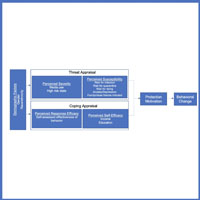
  • Age differences in the relationship between threatening and coping mechanisms and preventive behaviors in the time of COVID-19 in the United States: Protection Motivation Theory

    Jung Ki Kim, Eileen M. Crimmins
    2021-01-14
    https://doi.org/10.4081/ripppo.2020.485
    7553
    PDF: 1483
    HTML: 46
  • Self-reflectivity: a moment of professionalization in psychotherapy training

    Margarete Finger-Ossinger, Henriette Löffler-Stastka
    2018-12-18
    https://doi.org/10.4081/ripppo.2018.316
    2176
    PDF: 1418
    HTML: 105
  • The relevance of social dreaming for action research: exploring jail workers’ unconscious thinking of the changes in the prison organization

    Lidia Borghi, Claudio Cassardo, Elisa Mingarelli, Elena Vegni
    2021-08-12
    https://doi.org/10.4081/ripppo.2021.542
    6986
    PDF: 991
    HTML: 105
    Appendix: 358
1 - 98 of 98 items

authors

FOR AUTHORS
  • SUBMIT YOUR PAPER
  • Guide for Authors
  • Benefits for Authors
  • How to write a scientific paper
  • How to write a Review article
  • Article Processing Charge
  • Index of Authors

reviewers

FOR REVIEWERS
  • Benefits for Reviewers
  • How to review

indexing

INDEXING
  • PubMed Central
  • PubMed
  • Scopus
  • Web of Science
  • DOAJ
  • OpenAlex
  • APA PsycInfo
  • ESCI
  • Analytics

Keywords

  • Therapeutic interventions in intimate partner violence: an overview
    562
  • Intensive Short-term Dynamic Psychotherapy: A Treatment Overview and Empirical Basis
    407
  • Effectiveness of Jungian psychotherapy in supervised training settings
    319
  • Can Myers-Briggs Dimensions predict therapy outcome? Differences in the thinking-feeling function pair in cognitive therapy for depression/anxiety
    286
  • A systematic review of patient-therapist synchrony as an indicator of emotion regulation in psychotherapy: an integrated approach: Patient-therapist synchrony and emotion regulation
    227
Vol. 29 No. 1 (2026)
Developing relational competence in psychotherapy training: a qualitative study of trainees’ perspectives
Giovanna Trimoldi et al.
22 April 2026
Vol. 29 No. 1 (2026)
Patient experiences in receiving virtual psychotherapy: a qualitative study
Giorgio A. Tasca et al.
4 March 2026
Vol. 29 No. 1 (2026)
Examining the factor structure of the 40-item Defense Style Questionnaire among adults with depression: an individual participant data meta-analysis
Frederik J. Wienicke et al.
16 February 2026
Vol. 29 No. 1 (2026)
Eye movement desensitization and reprocessing versus cognitive behavioral therapy in the treatment of inpatients with obesity, binge eating...
Anna Guerrini Usubini et al.
16 February 2026
Research in Psychotherapy: Psychopathology, Process and Outcome

is an Open Access, peer-reviewed journal published by PAGEPress®, Pavia, Italy. All credits and honors to PKP for their OJS.

pISSN: 2499-7552
eISSN: 2239-8031

Our App Is Free For Anyone!

Themes by Openjournaltheme.com

© PAGEPress 2008-2026    •    PAGEPress® is a registered trademark property of PAGEPress srl, Italy    •    VAT: IT02125780185
This journal is published by PAGEPress® srl (Pavia, Italy), which is the data controller for all personal data processed through this platform. For full details on how your data is collected, used and protected, please read our Privacy Policy.